
By Deane Parkes
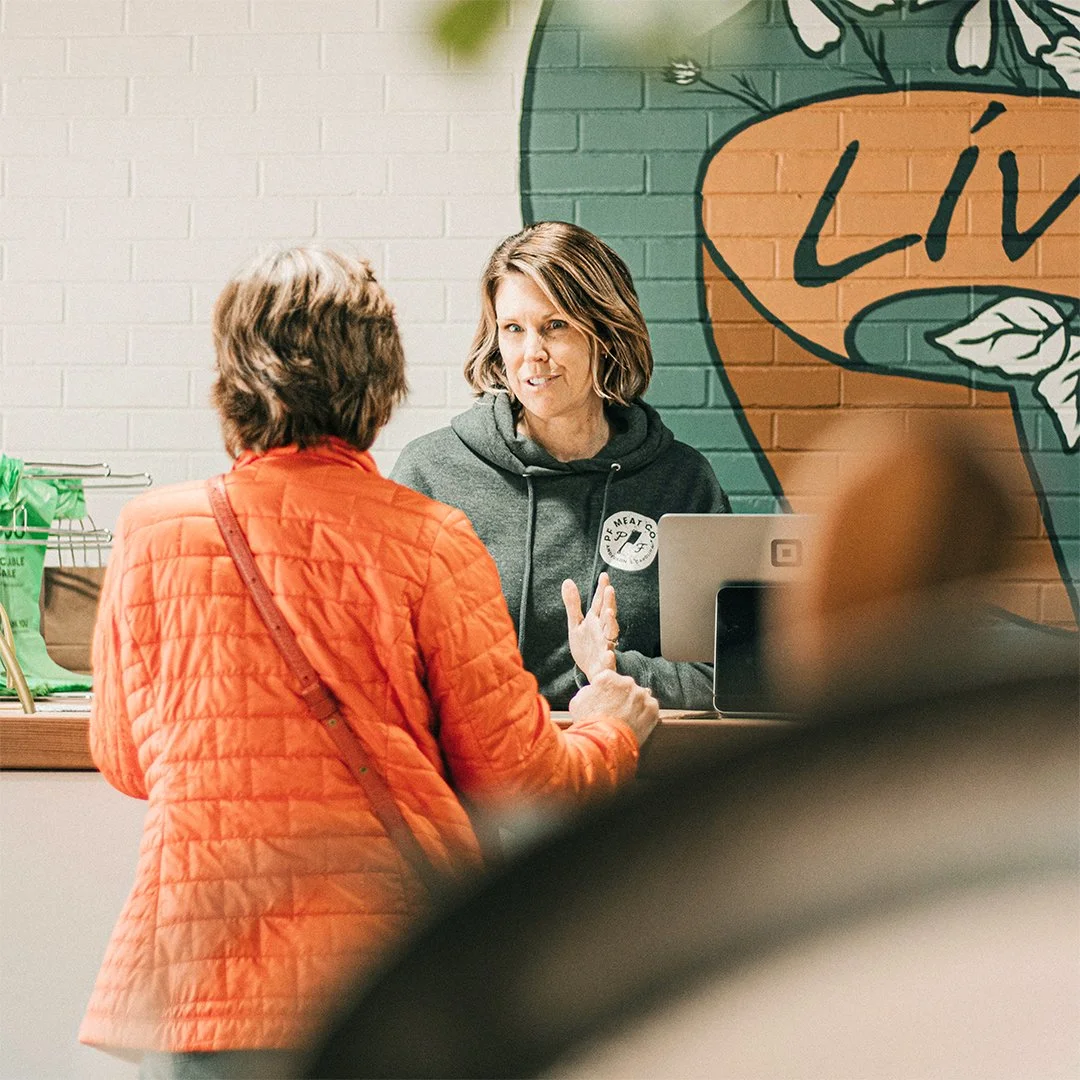
I recently began working as a stock clerk and cashier in a small, independent natural products store in Hazelton, BC, owned by my friend Rhonda. I’ve noticed several similarities and differences between retailing today and 50 years ago, when I first served customers at a store I co-owned in North Vancouver.
Running an independent mom-and-pop retail business requires constant attention to detail. Strong systems and a well-trained team are essential—not only to continually improve customer service, but also to strengthen behind-the-scenes operations and ensure enough sales and profit for the business to thrive.
Let’s take a closer look at one of the most important systems that keep the store running: the point of sale.
The face of the store
The cashier may be the most important person in retail.
They create the last impression a customer has before leaving the store. If that experience is not positive, it doesn’t matter how clean, organized, or well-merchandised the store is—the customer is unlikely to return. A successful business is built on customers coming back consistently.
Wait times
Today, more than ever, people have busy minds and full schedules. It is imperative that checkout be as painless and efficient as possible.
Customers are looking for convenience—and a fast, efficient checkout is vital to that experience. In fact, 86 percent of shoppers say long lines are enough to make them avoid a store.
When lineups do happen, cashiers must be trained on how to manage them. When customers are waiting, their sense of time can be distorted: anxiety increases, patience decreases, and one minute can feel like an hour.
To reduce customer stress, acknowledge everyone in line. Simple eye contact along with a “thank you for your patience,” goes a long way toward easing frustration.
It’s also important to have a clear policy that all staff are responsible for monitoring the checkout and jumping in when needed to keep the line moving smoothly.
Highlighting the essentials
The checkout is the one place where customers are required to stand and wait, so they have time to notice everything. Is the area clean? Is it organized?
Since customers linger here, it’s an ideal location for educational signage, product information, store newsletters, alive magazines, or other materials that educate, engage, and encourage return visits.
While large retailers have perfected impulse buying with a maze of low-priced items leading to the till, independent retailers should avoid cluttering the checkout with too many impulse products. One or two offerings, such as cold and flu lozenges or organic chocolate, can be effective, however.
Thank the customer
From the moment a customer enters the store to the final purchase at checkout, every interaction should show genuine gratitude. How a customer feels when they leave the store is an important factor in whether they will return.
Happy sales!